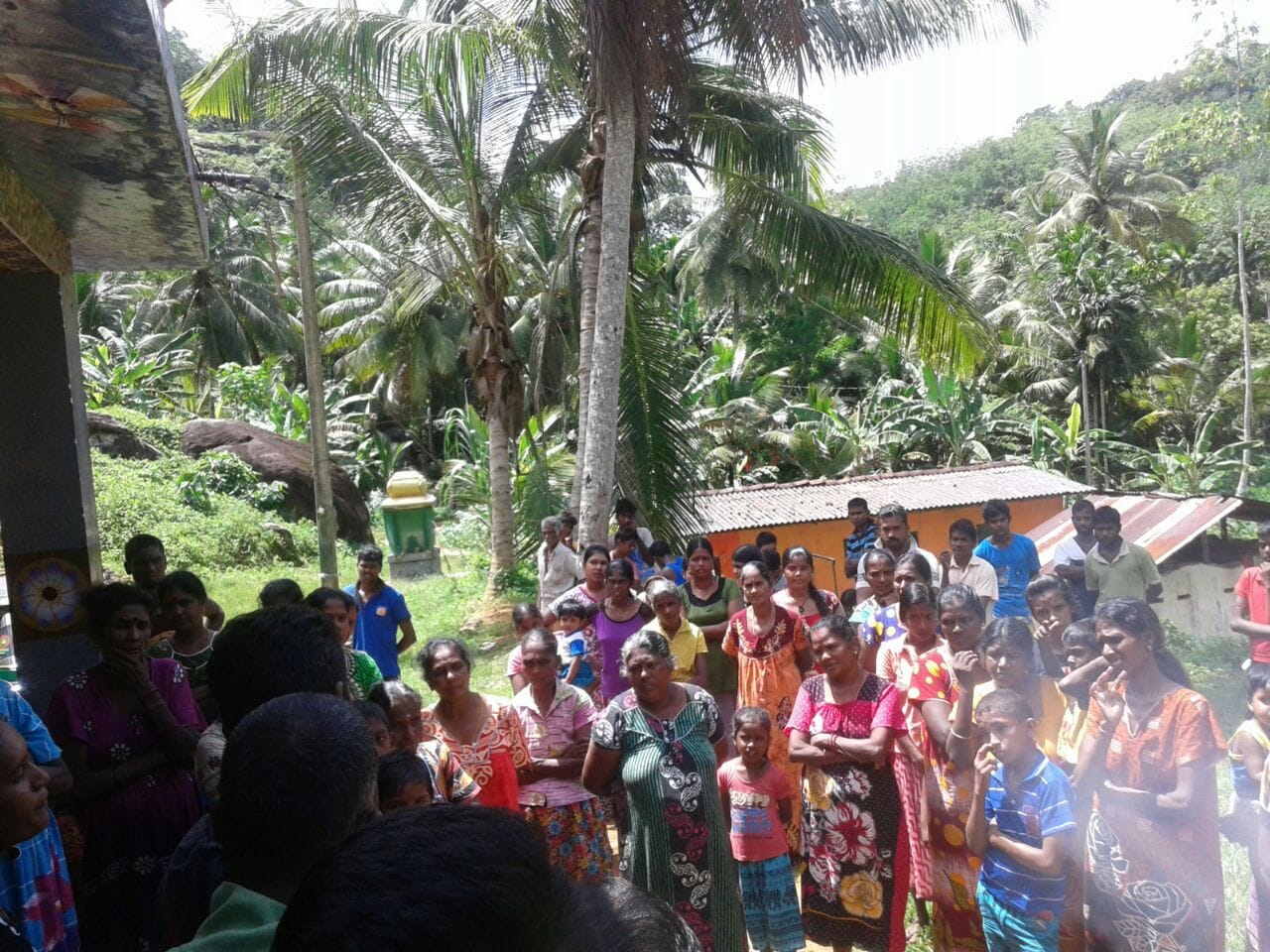
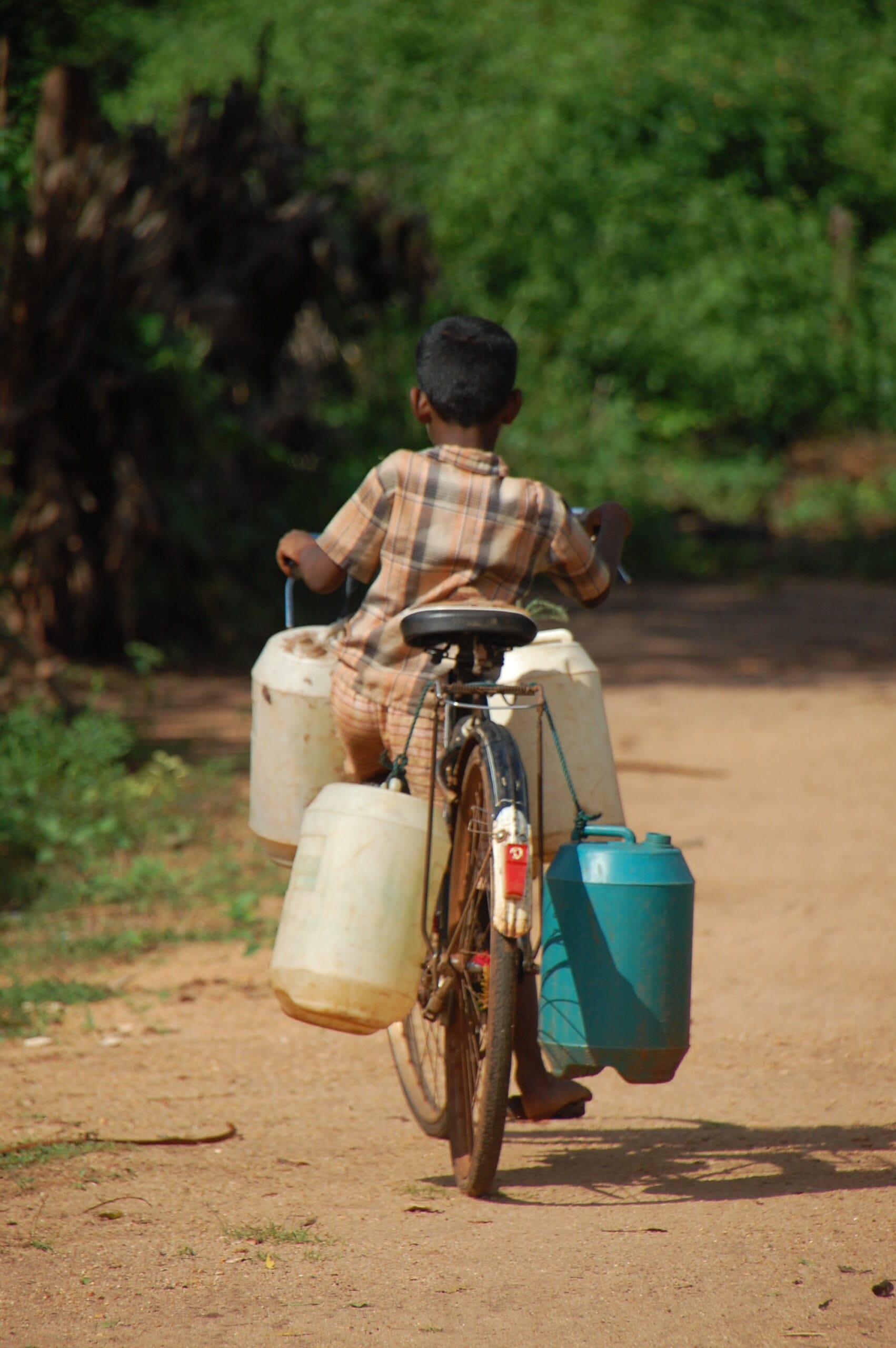
Panchenai faced an acute shortage of drinking water during the summer months, with roughly 200 families relying on deep traditional and tube wells that often ran dry. Anpuneri’s Panchenai Village Development Society hired a water‐resources engineer and technician to conduct yield and quality tests, then funded the installation of a submersible pump, piping, and a 500-L fiberglass tank on a raised stand. Completed on May 9, 2017, the system now fills the tank three times daily—serving over 20 families—and plans are underway for a second phase to upgrade a traditional well and build a purification station.
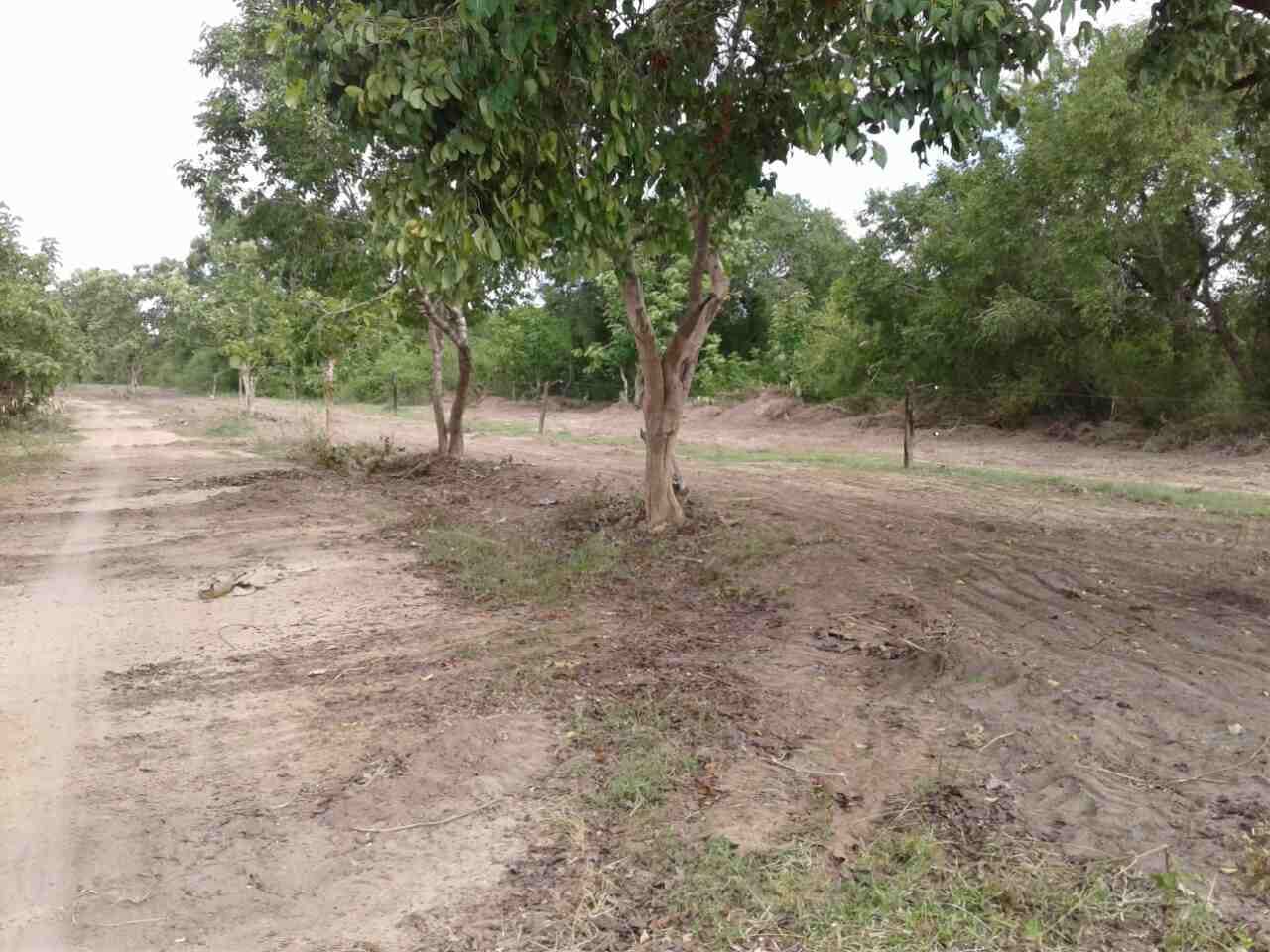
To address the severe threat of wild-elephant incursions (which had caused fatalities, injuries, and crop loss), Anpuneri-Panchenai Village Development Society, in consultation with wildlife officials, developed a sustainable control plan. Key elements funded and initiated in 2017 included planting thousands of palmyrah and citrus trees as a natural fence; employing eight guards for six months (with flashlights, salaries, and training); clearing 15-ft swaths on both sides of a nine-kilometer electric fence; reinforcing fence posts and gates; and refurbishing a village office for coordination and equipment storage. The community now levies paddy-field owners to sustain the program long-term.
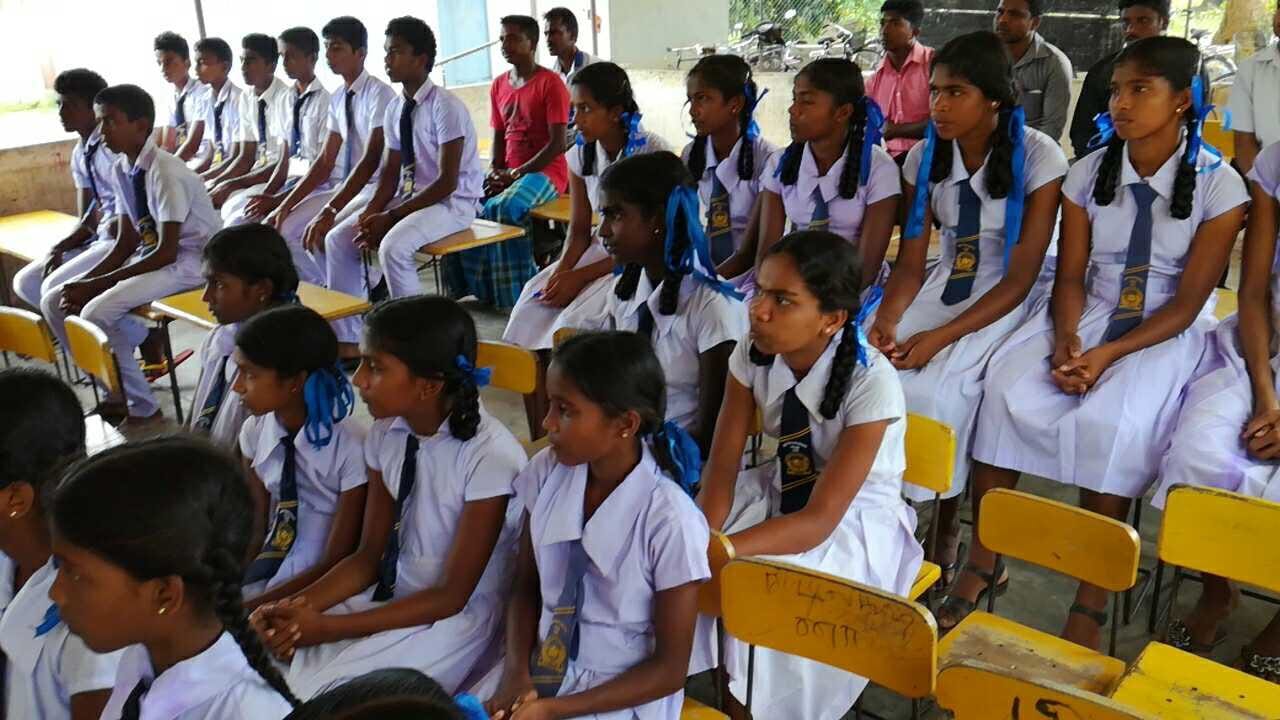
Beginning June 2017, Anpuneri funded after-school classes at Panchenai Pari Vidyalayam for Grades 8–11, overseen by the Panchenai Village Development Society and the Batticaloa West Zonal Education Office. Eight two-hour sessions per week cover Mathematics, Science, Tamil, English, and History—taught by expert teachers brought in from outside the village. These classes have significantly improved students’ performance and attendance, particularly in Grades 8–10, and have helped prepare 50% of Grade 11 students for the G.C.E. (O/L) exams.